WHAT TO EXPECT, WHAT TO ASK, AND HOW TO PROTECT THE CHILDREN IN YOUR CARE.
Welcoming a child into your home through foster care is a beautiful and life-changing decision. But if you have a swimming pool or spa on your property, you’ll likely face specific inspection requirements as part of your foster home licensing process.
While the rules can vary by state, one thing is consistent: keeping children safe around water is a top priority for licensing agencies. This post will walk you through what to consider, how to prepare, and where to find the most accurate, up-to-date requirements for your state.
⚠️ Disclaimer: Every state has its own licensing standards. Always check with your local child welfare agency or foster licensing authority to confirm the most current requirements.
Why Pools Are a Focus in Foster Home Inspections
According to the CDC, drowning is the leading cause of accidental death for children aged 1 to 4. In foster care, many children come from backgrounds where extra caution is necessary—so inspectors are trained to look closely at water hazards on your property.
Even if your pool is rarely used, or covered most of the year, the safety of the space around the pool still matters.
What Pool Safety Features Might Be Required
Depending on your state or agency, your inspection may require one or more of the following:
- A four-sided isolation fence that separates the pool from the home and yard
- Self-closing, self-latching gates with locks placed out of reach of children
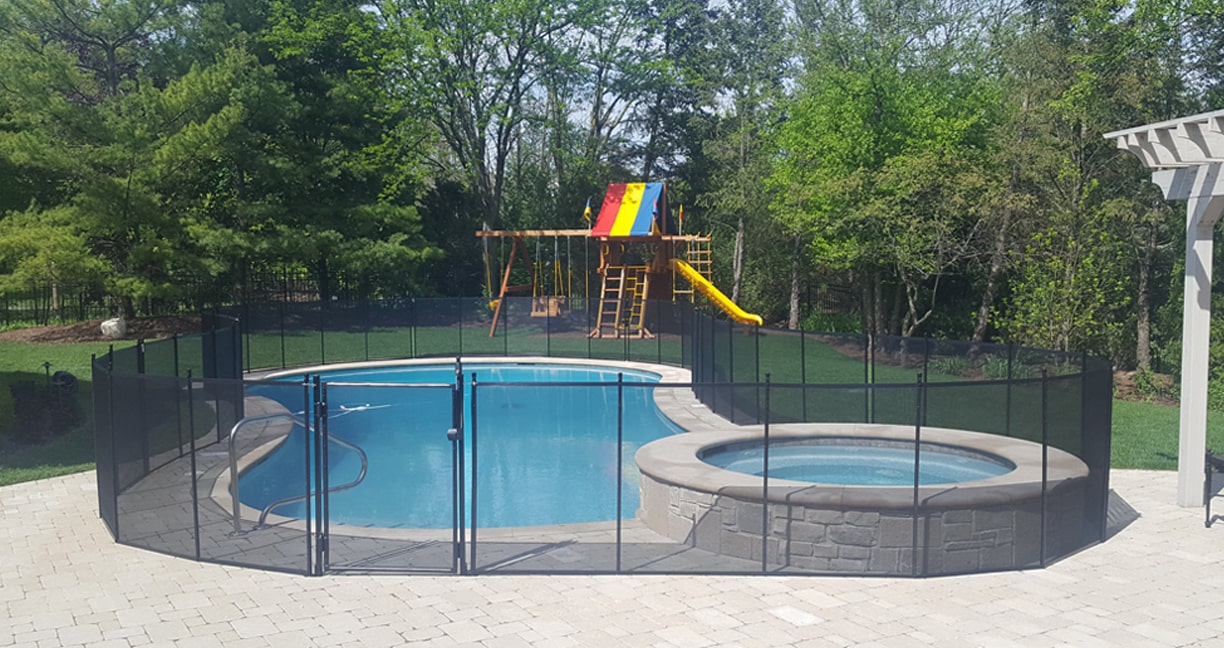
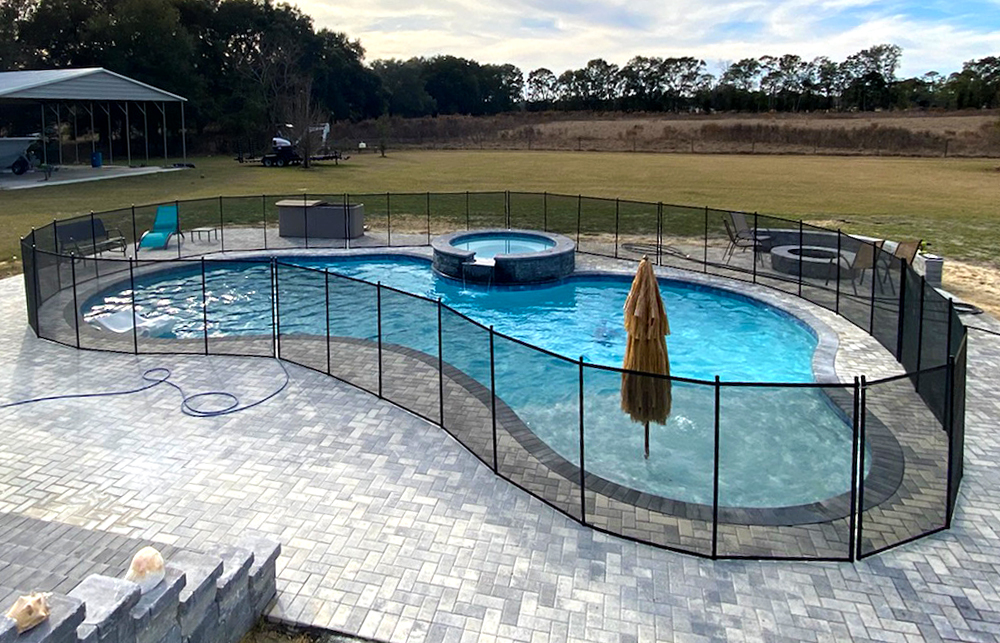
- Removable mesh pool fencing that meets safety standards like ASTM F2286-16
- Pool alarms, door alarms, window alarms and motion sensors
- Secure spa or hot tub covers that lock in place
- Proof of CPR certification for all adult caregivers
Tip: Even if your state allows for alternate safety measures like covers or alarms, most agencies prioritize a physical barrier like a fence.
Common Inspection Questions You May Be Asked
Inspectors may walk your property and ask:
- Does the fence completely enclose the pool?
- Is the gate self-latching and secure?
- Are there any climbable objects near the fence?
- Can the child access the pool area from the home or garage?
- Are safety features in working order year-round?
Being ready to answer these questions can help your inspection go smoothly.
What Kind of Pool Fence Is Best for Foster Licensing?
While every home and agency is different, most foster licensing departments prefer:
- Non-climbable, mesh fencing at least 4 feet tall
- Gates that close and latch automatically
- Removable fence panels that allow flexibility without sacrificing safety
- Systems that meet national safety standards like ASTM
At Protect-A-Child, we design removable mesh pool fences specifically for homes with young children—including those in foster care. Our systems are tamper-resistant, durable, and professionally installed to meet or exceed most state requirements.
How to Find Your State’s Foster Care Pool Safety Requirements
Because requirements vary, it’s best to go directly to the source. Here are a few ways to find the information you need:
- Search your state + “foster home pool safety requirements”
- Example: Florida foster home pool safety requirements
- Visit your state’s Department of Children and Families or Health and Human Services website
- Ask your licensing worker directly for a written checklist
- Look for your state’s regulations in the Child Welfare Information Gateway
Tip: If you’re working with a private foster agency, they may have stricter guidelines than the state minimum.
Questions to Ask Your Licensing Worker
You can’t plan for what you don’t know—so here are a few good questions to ask:
- What specific pool barriers are required in my state or county?
- Is a removable mesh fence allowed?
- Are door alarms or covers accepted in place of fencing?
- What safety features need to be in place before the home visit?
- Will I need to maintain the fence year-round, even if the pool is closed?
Focus on Safety and Show You’re Prepared
At the end of the day, the goal of a foster home inspection isn’t to catch you off guard—it’s to make sure every child placed in your home has a safe, loving environment.
By installing a high-quality pool fence, asking the right questions, and being proactive about safety, you’ll not only prepare your home for inspection—you’ll also create peace of mind for yourself, your caseworker, and most importantly, the child in your care.
Trusted Resources and State Lookup Tools
- Child Welfare Information Gateway – State Laws & Policies
- CDC – Drowning Prevention
- ASTM F2286-16 Pool Barrier Standards
- Your local Department of Children and Families website (search by state)
- Your assigned foster licensing specialist or agency contact